Introduction to Luxury Real Estate
Luxury Real Estate represents the pinnacle of property markets, combining prime locations, superior design, and exclusive amenities. These properties are sought after by high net worth individuals who value comfort, status, and long term investment potential. Beyond offering exceptional living experiences, luxury real estate reflects broader market trends and economic dynamics. Understanding this sector helps buyers, investors, and developers make informed decisions and capitalize on unique opportunities.
Defining Luxury Real Estate
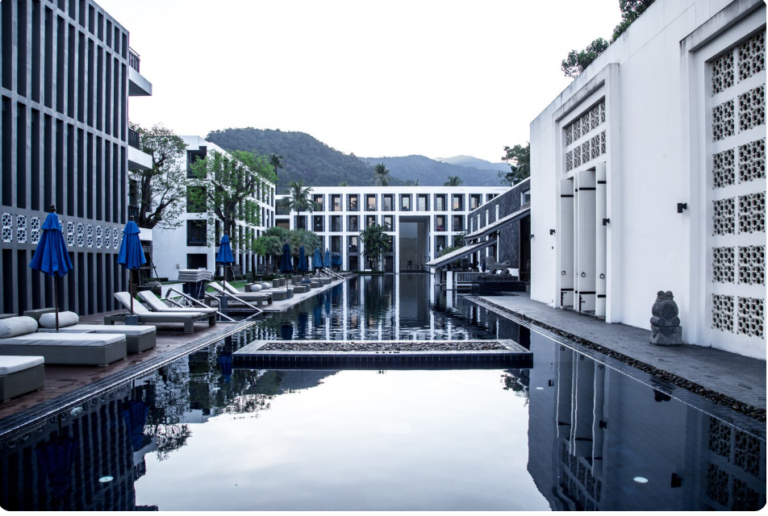
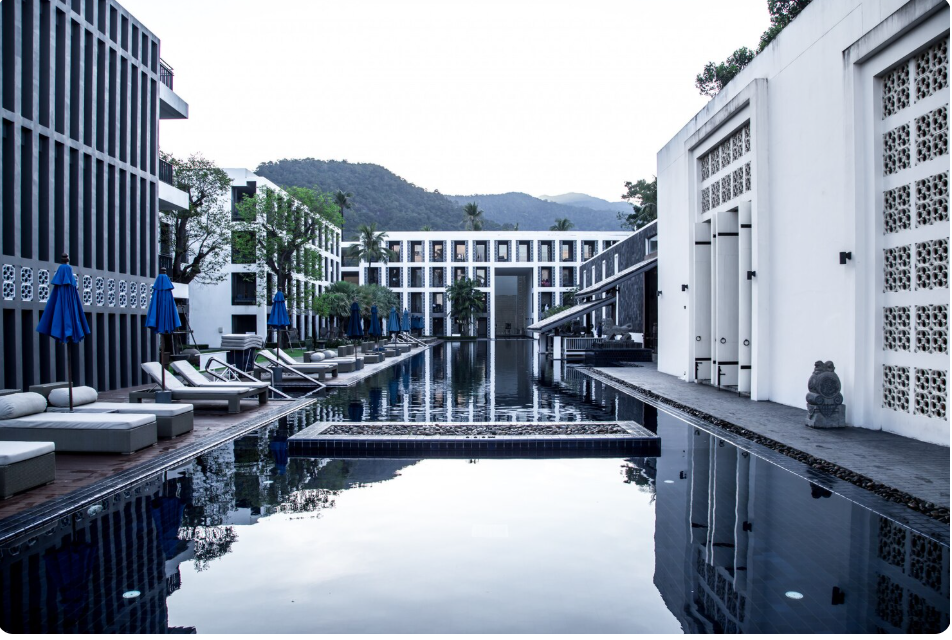
Luxury Real Estate is characterized by its exclusivity, high quality construction, and prime location. Features often include spacious layouts, advanced technology, premium finishes, and amenities such as private pools, gyms, and landscaped gardens. The value of these properties is influenced not just by size, but also by design, architecture, and location prestige. Recognizing these factors is essential for understanding market behavior and investment potential.
Importance of Location
Location is a critical element in Luxury Real Estate. Properties in prime urban centers, scenic waterfronts, or prestigious neighborhoods often command higher prices. Accessibility, security, nearby amenities, and potential for appreciation play a significant role in defining value. Location not only influences lifestyle quality but also impacts the long term investment appeal of the property.
Market Trends in Luxury Real Estate
Luxury Real Estate markets are shaped by global and local trends. Increasing demand for smart homes, sustainable design, and wellness oriented spaces is redefining luxury standards. International buyers are contributing to market growth, especially in cosmopolitan cities and resort areas. Monitoring these trends enables buyers and developers to stay ahead and make strategic decisions.
Investment Potential of Luxury Properties
Investing in Luxury Real Estate offers both financial and lifestyle advantages. These properties typically appreciate over time, particularly in high demand locations. Rental opportunities in premium areas generate attractive returns. Unlike standard properties, luxury real estate often maintains value even during economic fluctuations, making it a resilient and desirable asset class.
Design and Architectural Excellence
Luxury Real Estate emphasizes superior design and architectural innovation. Custom interiors, high quality materials, and attention to detail distinguish these properties. Architectural uniqueness enhances exclusivity and increases market appeal. For investors and buyers, design quality is a key consideration that contributes to long term value and prestige.
Role of Technology in Luxury Homes
Technology integration is transforming Luxury Real Estate. Smart home systems, security automation, and energy efficient solutions enhance convenience and safety. Modern buyers expect properties to include high tech features that simplify daily living and improve sustainability. Technology adds functional value and elevates the overall luxury experience.
Sustainability and Eco Friendly Features
Sustainability is increasingly significant in Luxury Real Estate. Green building materials, energy efficient appliances, and water conservation systems appeal to environmentally conscious buyers. Properties with eco friendly features are valued higher and attract tenants or buyers seeking responsible living. Sustainability practices ensure long term relevance and market competitiveness.
Marketing and Global Exposure
Effective marketing is vital in Luxury Real Estate due to the selective buyer base. High quality visuals, virtual tours, and international property listings help attract potential buyers worldwide. Networking with brokers and leveraging exclusive platforms increases visibility. Strategic marketing ensures that luxury properties reach the right audience and secure premium pricing.
Legal and Financial Considerations
Legal clarity and financial planning are essential in Luxury Real Estate transactions. Property titles, regulatory approvals, taxes, and inheritance rules must be carefully reviewed. Financing options, investment planning, and asset protection strategies enhance security. Proper legal and financial management reduces risks and ensures smooth transactions for high value properties.
Trends in Amenities and Lifestyle
Luxury Real Estate often incorporates lifestyle enhancing amenities such as private gyms, spas, home theaters, and outdoor recreational areas. Buyers increasingly value wellness, privacy, and personalized experiences. Properties that combine premium design with exceptional amenities continue to attract discerning clients and maintain high demand.
Risk Management and Market Awareness
Despite its advantages, Luxury Real Estate requires careful market analysis. Economic fluctuations, interest rate changes, and regulatory policies can impact property value. Diversification, location choice, and understanding global buyer behavior help mitigate risks. Staying informed enables investors to make timely and profitable decisions.
Conclusion and Insights for Buyers and Investors
Luxury Real Estate is more than a high value property; it is a symbol of lifestyle, investment potential, and exclusivity. Strategic location, design quality, technological integration, and sustainability define its appeal. Buyers and investors who stay informed about market trends and prioritize long term value can benefit from both financial returns and exceptional living experiences. Exploring the world of luxury real estate offers insights into market behavior, global demand, and opportunities that continue to shape premium property markets.
About the Author